
Explore AI toys
AI toys: from a familiar toy to a talking character
An AI toy combines a physical toy with software that can interpret speech and generate a response. LifeToy supplies the hardware and software platform that helps brands and makers build that experience around their own toys and characters.
Discuss your toy project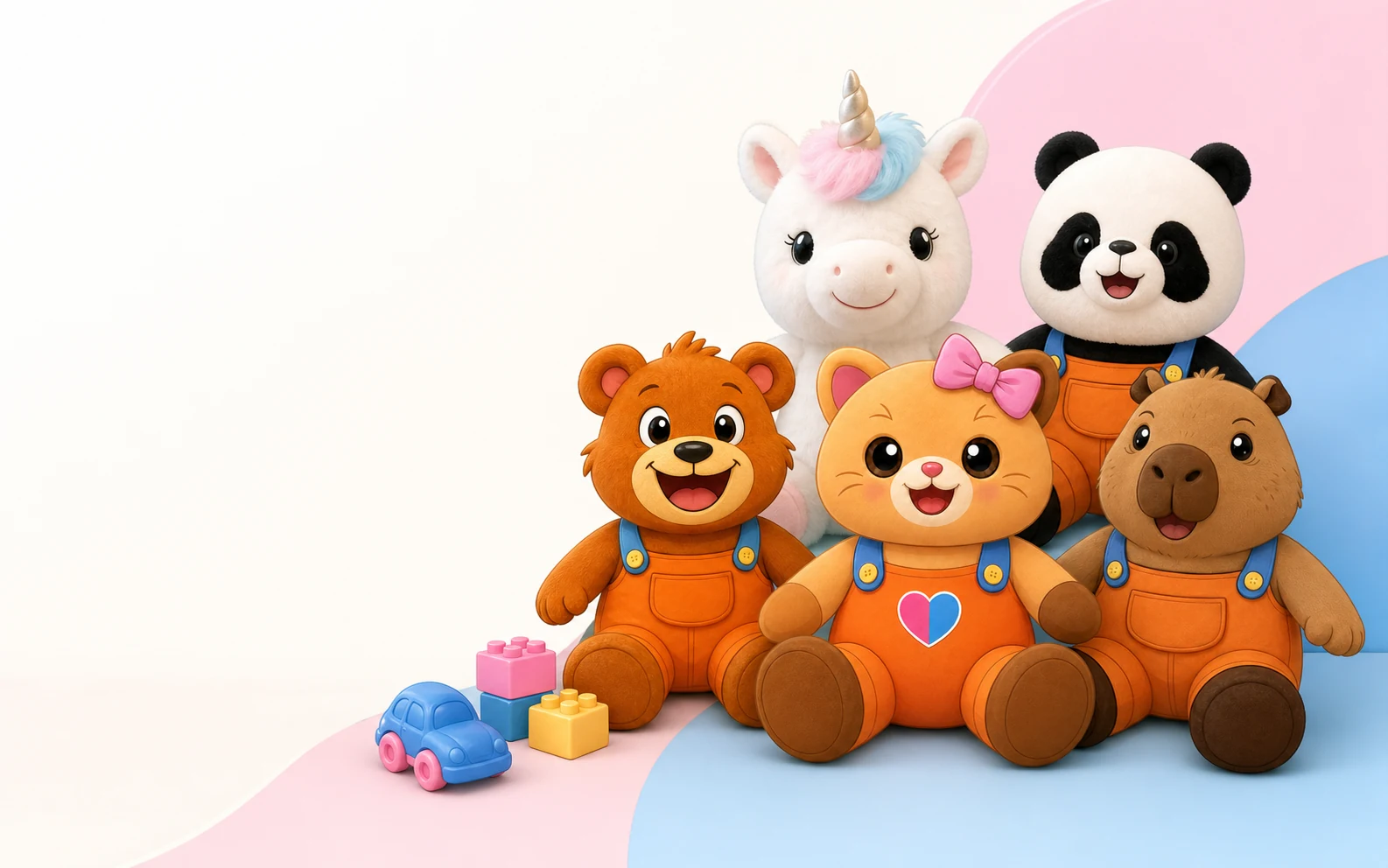
What is an AI toy?
A traditional talking toy plays a recorded phrase when someone presses a button. A conversational AI toy can respond to what someone says, within the capabilities and limits of its software. A character might answer a question, take part in an imagined adventure or help tell a story.
The toy is only one part of the experience. The microphone, speaker, device software, AI service and character instructions all affect how a conversation feels. Internet access, language support and ongoing service availability also matter.
How do AI toys work?
First, the toy captures speech through its microphone. Firmware manages the device and sends audio to the configured voice service. The service produces a response, and the toy plays it through its speaker. The character configuration shapes the voice, tone and conversation.
A companion app connects the physical product with setup and device controls. Behind the scenes, cloud software connects the device, character and conversation. A good prototype tests the complete journey, including interruptions, network loss and the ability to stop a conversation.
The LifeToy hardware and software platform
LifeToy brings together voice hardware, firmware, cloud services, a companion app and LifeToy Studio character tools. Toy manufacturers can explore adding conversation to an existing design. Brands and character creators can develop a toy around their own identity, stories and voice experience.
The work starts with the intended product: its shape, audience and use. Hardware integration, character design and app behavior are developed together. A prototype then makes it possible to check the real conversation and physical design before planning a wider release.
AI plushies, figures and other toy formats
A plush animal offers a soft form for a talking character; a figure may need a different enclosure, speaker position and control layout. These are different integration projects, even when they share the same software platform.
LifeToy’s vision is to bring any toy to life. In practice, suitability depends on space for electronics, acoustics, power, materials and the requirements of the finished product. An existing toy design can be a starting point, but compatibility must be checked before promising an upgrade.
Frequently asked questions
Does an AI toy need an internet connection?
That depends on the product. LifeToy’s connected voice experience uses cloud services, so connectivity is part of the design. Confirm the exact network requirements and behavior without a connection for the product you are considering.
Can LifeToy turn my existing toy into an AI toy?
LifeToy works with toy designs and characters through hardware and software integration. It is not a promise that a module can be put into every finished toy. Physical fit, power, sound and the requirements of the complete product need to be assessed first.
Is LifeToy a toy brand or a technology provider?
LifeToy is a hardware and software provider for AI toys. Our own characters illustrate what the platform can make possible, while brands, manufacturers and creators can discuss building around their own toys and intellectual property.
What should families consider with AI toys?
Check the finished product’s intended age, supervision guidance, privacy information, controls and ongoing service terms. AI responses can be inaccurate. A conversational toy should not replace a caregiver, teacher or professional advice.